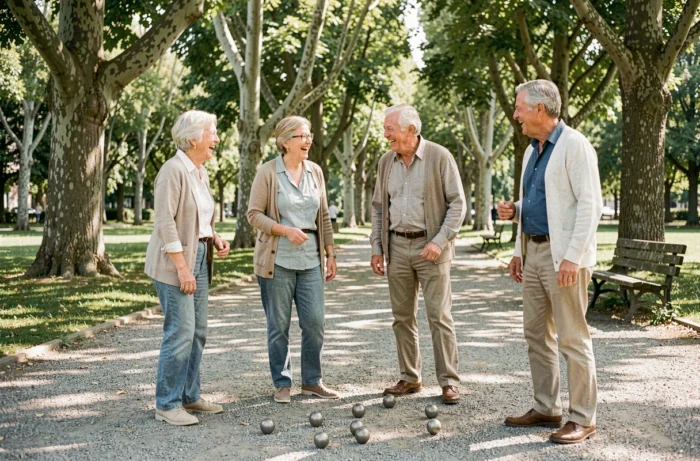
Retirement among seniors is not just a checklist of activities. The choice of a hobby, a volunteer commitment, or a physical practice has very different effects depending on whether it is done alone, as a couple, or in a structured group setting. Enjoying retirement depends less on the number of activities than on their suitability to a lifestyle that preserves health, mental balance, and social connections.
Progressive retirement and return to work: a game-changing framework
Even before discussing leisure activities, the regulatory context influences how seniors organize their daily lives. Starting from 2024-2025, progressive retirement has been relaxed: it is now open to public employees and self-employed individuals, with a minimum age lowered to 60 years in certain configurations.
This system allows for part-time work while receiving a portion of one’s pension. For seniors who wish to keep a foot in the professional world without giving up their free time, this option redefines the balance between paid activity and personal life.
Moreover, the pension reform of 2023 is currently suspended, with a freeze on the legal retirement age around 62 years and 9 months until the end of 2027. This uncertainty complicates planning for those born between 1964 and 1970, who must choose between early retirement and continuing work without visibility on the applicable rules after 2028. Platforms like cercle-des-seniors.fr help retirees find collective reference points during this transition period.
Physical activities for seniors: a comparison of benefits based on practice
Not all physical activities are equal for a retiree. The choice depends on the desired goal: preserving joint mobility, maintaining cardiovascular endurance, or simply creating social bonds through shared effort.
| Activity | Main Benefit | Social Component | Accessibility |
|---|---|---|---|
| Nordic walking | Cardio and posture | Outdoor groups | Low cost, can be done anywhere |
| Aquagym | Preserved joints | Group classes in pools | Pool access required |
| Adapted yoga (chair) | Flexibility and breathing | Workshops in residences or halls | Can be adapted at home |
| Gentle gym | Overall muscle tone | Associations, local clubs | Very accessible |
| Regular gardening | Fine motor skills and fresh air | Shared gardens | Land or community garden |
Nordic walking and aquagym combine moderate physical effort with a group setting. In contrast, chair yoga and gentle gym are better suited for seniors with joint limitations or a history of chronic pain.
Gardening remains underestimated as a physical activity. Practiced regularly in a shared garden, it engages fine motor skills, maintains an active posture, and generates a close social bond that gyms do not always replicate.
Social life and collective activities in senior residences
Isolation is the most documented risk of transitioning into retirement. Senior residences structure their offerings around this observation, with workshop programs that go well beyond simple entertainment.
The most frequently offered collective activities in France in these settings fall into three categories:
- Cognitive stimulation: memory workshops, language courses, digital initiation. These short formats (one to two hours) maintain brain plasticity while creating regular weekly appointments.
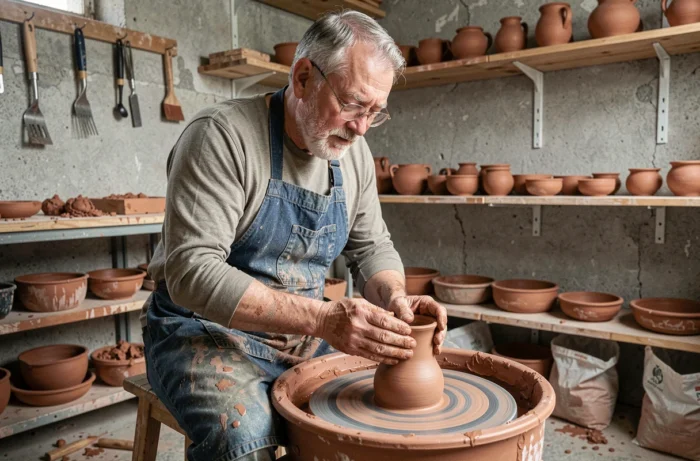
- Creative expression: painting, pottery, writing, sewing. These hands-on practices produce a tangible object, which reinforces the sense of accomplishment often weakened after leaving the professional world.
- Civic engagement: local volunteering, intergenerational mentoring, participation in resident councils. Volunteering provides a framework and social role that retirement tends to eliminate.
The difference between a senior who “keeps busy” and a senior who enjoys their retirement often lies in the regularity of these collective appointments, not their nature.
Balance between activity and rest: the trap of an overloaded schedule
Filling every slot in the week with an activity has the opposite effect of what is sought. Several testimonials from recent retirees highlight that time passes much faster than they had anticipated, and that fatigue from a too-dense agenda can set in quickly after a few months.
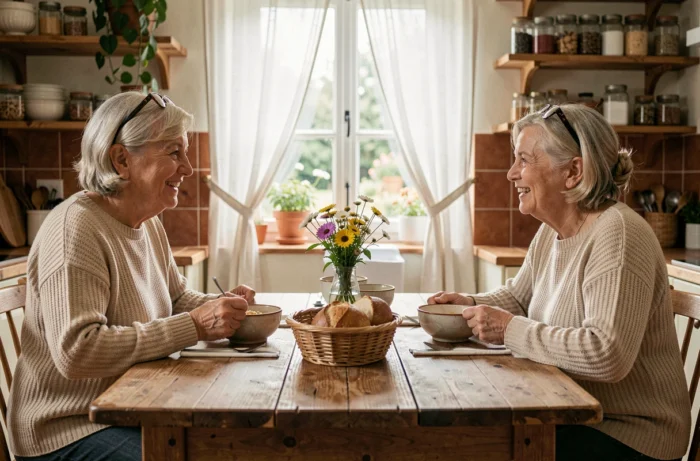
A viable balance relies on two or three structuring activities per week, complemented by unprogrammed time. Active rest (reading, aimless walking, cooking) is not wasted time. It contributes to physical and mental recovery.
Nutrition and health: a foundation often overlooked
Quality of life in retirement also depends on diet. The Mediterranean diet, rich in fruits, vegetables, fatty fish, and olive oil, is frequently cited for its effects on seniors’ cardiovascular and cognitive health. Adapting meals to a slowing metabolism does not require a revolution, but rather gradual adjustments: more moderate portions, more attentive hydration, and better-distributed proteins throughout the day.
An adapted diet directly conditions the ability to engage in chosen activities. A senior fatigued by nutritional deficiencies will abandon gentle gym classes within a few weeks.
Retirement tips for seniors: what makes a difference over time
The first years of retirement are crucial. The habits formed in the first six to twelve months tend to stabilize afterward. Choosing one or two activities that combine light physical effort and a collective dimension offers the best balance between personal investment and measurable benefits.
Retirement among seniors is built around regular appointments, not spectacular activities. A weekly memory workshop, a Nordic walk on Tuesday mornings, a shared garden on weekends: this simple triptych covers cognitive stimulation, physical effort, and social connection. The rest belongs to free time, and it is precisely this free time that gives retirement its value.