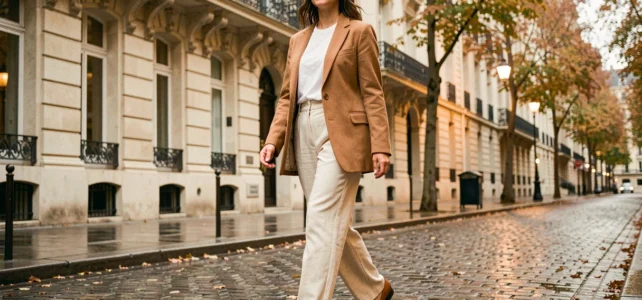
This season’s fashion trends are less about the runways and more about shopping behaviors. The second-hand market is growing two to three times faster than the new market in Europe, Pinterest searches are steering wardrobes towards sustainable pieces, and sector analyses describe a shift towards what professionals call practical premiumization. Measuring these movements allows us to distinguish underlying trends from fleeting micro-trends.
Practical premiumization vs. micro-trends: what the data reveals
Reports for winter 2026-2027 contrast two purchasing logics. On one side, viral micro-trends driven by algorithms and social media, whose lifespan is measured in weeks. On the other, a growing demand for pieces that justify their price through quality, functionality, and longevity.
| Criterion | Viral micro-trend | Practical premiumization |
|---|---|---|
| Lifespan in the wardrobe | Few weeks to two months | Several seasons |
| Main purchasing criterion | Visibility on social media | Quality of materials and versatility |
| Typical pieces | Viral accessory, trendy print | Structured coat, dense knit, modular layering |
| Impact on personal style | Look quickly becomes dated | Consistent wardrobe over time |
| Segment growth | Stagnation or decline | Increasing in European and American markets |
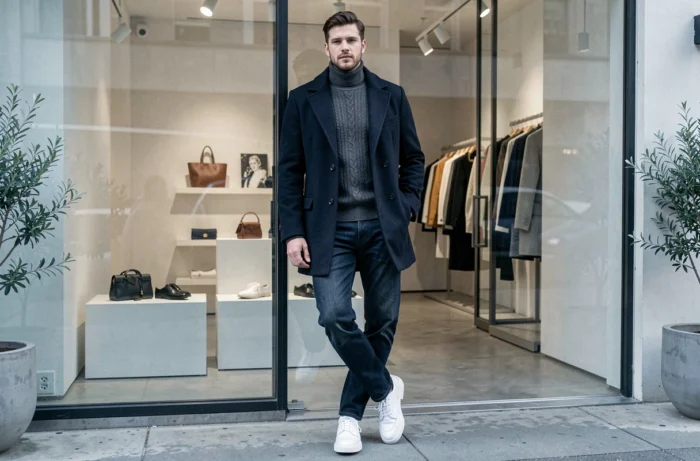
This table reflects a measurable shift: consumers are spending the same but demanding durable clothing. Market analyses indicate a priority given to coats, quality knits, and modular layering systems, rather than highly fashionable pieces with short lifespans.
Resources like haveafashionbreak.com document this evolution towards a more thoughtful wardrobe, where each piece serves multiple functions.
Flowy dress, wide pants, coordinated set: the key pieces of the season
The spring-summer 2026 collections converge on three silhouettes. The long flowy dress, worn from Loewe to Saint Laurent, embodies an assertive femininity available in bright colors (orange, pink, olive green, sky blue). The structured wide pants, with a defined waist and loose fit, meet the demand for comfort without sacrificing elegance.
The coordinated set (matching top and bottom) simplifies look construction while creating a strong visual impact. These three pieces share a common trait: they work in layers and transcend multiple seasons.
Colors and materials that define the style this season
The Pinterest Predicts report directs searches towards intense shades paired with natural tones. Butter yellow, terracotta hues, and sky blue dominate the queries. In materials, dense knits and fluid fabrics with good drape stand out.
- Butter yellow and warm tones for statement pieces (short jacket, voluminous skirt)
- Sky blue and olive green as base outfit colors (pants, long dress)
- Structured knits and blended linen for autumn-winter layering
- Crochet textures and artisanal embroidery on accessories and summer dresses
The choice of materials now matters as much as the cut. A blended linen or dense knit ages better than trendy polyester, which directly aligns with the logic of premiumization.
Second-hand and circular fashion: a concrete lever for a stylish wardrobe
Circular fashion is changing the way looks are constructed. Platforms like Vinted boast tens of millions of users in Europe, and the segment is growing significantly faster than the new market.
This dynamic changes the game for fashion trends. Buying a designer piece second-hand allows access to high-quality materials and cuts without the corresponding budget. A structured coat from a previous season, a branded flowy dress, or well-cut wide pants can be found at a fraction of the original price.
Building a sustainable look without sacrificing style
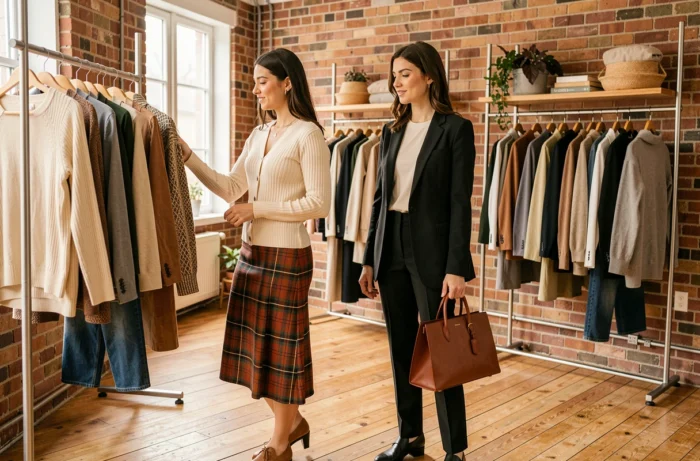
The emotional value of clothing, mentioned in market analyses, takes on full meaning here. A wardrobe built around versatile and durable pieces produces more personal looks than a wardrobe renewed every month according to algorithms.
- Invest in two or three key pieces each season (coat, pants, knit) rather than ten disposable items
- Complement with expressive accessories (brooches, bags, belts) that refresh an outfit without replacing it
- Integrate second-hand as the primary source for designer pieces
Studies for 2026 indicate that the majority of consumers worldwide are considering buying second-hand clothing. This shift is no longer limited to a militant niche: it redefines what it means to be stylish.
Algorithms and personal style: the tension to watch
Recommendation platforms push towards the uniformity of looks. A viral trend on TikTok or Instagram generates millions of searches in a few days, then disappears. The viral cycle compresses the lifespan of trends and encourages impulsive buying.
In contrast, data shows that consumers who build a style around key pieces and chosen colors resist this pressure better. The most reliable style guide remains one that starts from the existing wardrobe rather than the news feed.
This season’s fashion trends boil down to a clear trade-off between fleeting visibility and sustainable clothing investment. Quality knits, structured cuts, and second-hand define the most coherent wardrobe for the months to come, regardless of budget.