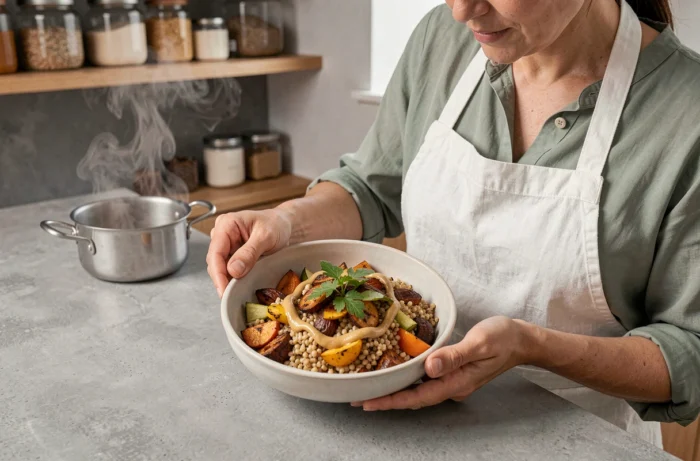
We prepare a quick weeknight dinner, open the fridge, and the reflex comes back: chicken, pasta, tomato sauce. The trio works, but it keeps repeating. The culinary trends of 2026 don’t require a complete reinvention; they offer concrete shifts, new actions to incorporate into a routine that is getting stale. Some of these ideas truly change the way we cook daily, while others are more background noise from social media.
Homemade Fermentation: Beyond Kombucha, What Really Works Daily
Fermentation has moved from the realm of organic grocery stores to ordinary kitchens. Kimchi, seasonal vegetable pickles, homemade miso: these preparations require little equipment, but they demand an understanding of a basic principle. You salt, you press, you wait. The result depends on the ambient temperature, the type of salt, and the freshness of the vegetables.
What has changed recently is the everyday use of these techniques in cooking. No longer do we serve a jar of kimchi as a timid side dish. We integrate it directly into a sauce, a broth, or a sandwich filling. A leftover pickle brine replaces vinegar in a vinaigrette.
Feedback varies on the ideal fermentation duration, but three to five days at room temperature already yield promising results with crunchy vegetables like radishes or cucumbers.
These techniques are regularly shared on the site Une Fille en Cuisine, where recipes take into account the constraints of a meal prepared in under thirty minutes.
Fusion Cuisine: Combinations That Work During the Week
Sushi-tacos or giant cake baba are trending on social media, but during the week, fusion cuisine operates on a more modest scale. We’re talking about a banh mi made with day-old bread, a miso broth enriched with Italian pasta, or a Thai green curry made with French market vegetables.
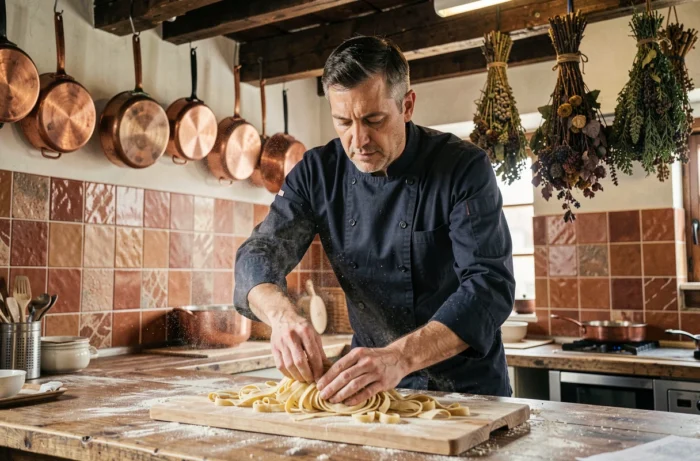
Useful fusion is about crossing two simple techniques to save time or enhance flavor. One example: glazing chicken thighs with a gochujang-honey mixture before roasting them. You get a dish with character without multiplying pots and pans. The food trend of 2026 leans in this direction, towards hybrid recipes that don’t require a pantry full of rare ingredients.
The trap is accumulation. Three spices from different origins in one dish can work. Six, rarely. You maintain a main flavor axis (acid, umami, spicy) and build around it.
Allergens in the Kitchen: A Constraint That Changes Recipe Design
Culinary trend articles rarely discuss regulations. Yet, managing allergens structures the way a dish is conceived, both in restaurants and at home when hosting. In France, any establishment serving prepared dishes must provide written and accessible information on the 14 regulated allergens, in accordance with Regulation (EU) No 1169/2011 and Decree No 2015-447 of April 17, 2015.
These 14 allergens cover a wide spectrum:
- Gluten, crustaceans, eggs, fish, peanuts, soy, and milk, which concern the majority of classic recipes
- Nuts, celery, mustard, sesame, and lupin, often present in spice blends or industrial sauces without one suspecting it
- Sulfites and mollusks, common in processed products used as shortcuts in cooking (broths, ready-made sauces)
Designing a recipe with allergens in mind from the start avoids the need to rework it later. When preparing a meal for a group, substituting cream with coconut milk in a gratin is not a concession: it’s a design decision that opens the dish to more guests. This traceability logic, long reserved for professionals, is entering home cooking with the increase in declared intolerances.
Meat Consumption and Plant Trends: The Gap Between Discourse and Plates
On social media, plant-based cooking dominates news feeds. Recipes featuring mushrooms, bowls of legumes, and alternatives to animal milk capture attention. One might conclude that meat consumption is significantly declining.
Consumption data tells a different story. The consumption of pork and charcuterie at home and in restaurants continues to grow in volume in 2025 and early 2026, even if the value slightly declines. This gap between the dominant rhetoric and actual behaviors deserves consideration when planning weekly meals.
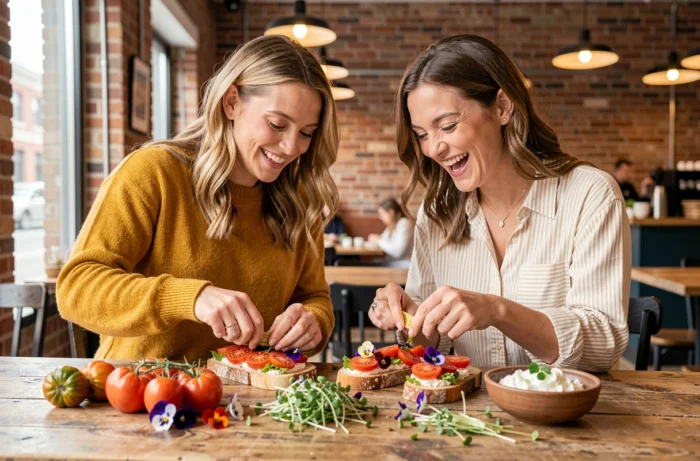
In practice, the trend that works is not the total replacement of meat, but the reduction of the portion. We go from 200 grams of meat per plate to a more modest portion, complemented by legumes or grains. The dish retains its familiar structure, the budget decreases, and the fiber intake increases.
Delicious Tips to Try: Three Actions That Change a Daily Dish
Rather than an endless list of advice, we focus on three concrete actions that enhance a weeknight meal without extending preparation time.
- Toasting spices dry before using them (30 seconds in a hot pan) releases volatile oils and transforms an ordinary curry into a fragrant dish
- Finishing a hot dish with an acidic element (lemon juice, rice vinegar, a drizzle of apple cider vinegar) just before serving enhances all flavors without adding salt
- Preparing a compound butter on Sunday (soft butter mixed with herbs, garlic, and lemon zest, rolled in plastic wrap and placed in the freezer) to slice onto fish, meat, or grilled vegetables during the week
These three techniques require no special equipment. They rely on understanding a simple mechanism: heat releases aromas, acidity amplifies them, and fat carries them.
The culinary trends that endure are those that simplify cooking without sacrificing taste. Fermentation, measured fusion, consideration of allergens, and realistic dosing of animal proteins shape a more attentive cuisine, not a more complicated one. The best test remains Tuesday night’s plate: if the recipe finds its place there, the trend is worth something.